
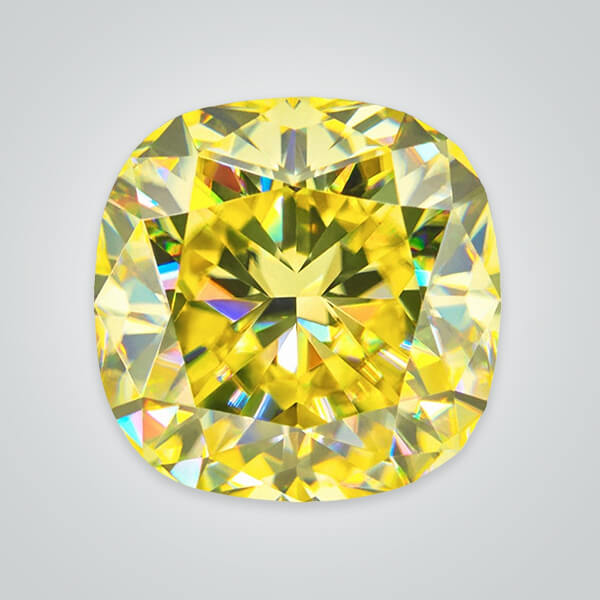
Yellow Moissanite, Cushion
GEMSTONE DETAIL Origin: Grown in Lab Dimensions: 5x5mm to 10x10mm Grade: AAA Clarity: Eye Clean Shape: Cushion Make: Very Good Symmetry: Very Good
Yellow Moissanite, Cushion
GEMSTONE DETAIL Origin: Grown in Lab Dimensions: 5x5mm to 10x10mm Grade: AAA Clarity: Eye Clean Shape: Cushion Make: Very Good Symmetry: Very Good
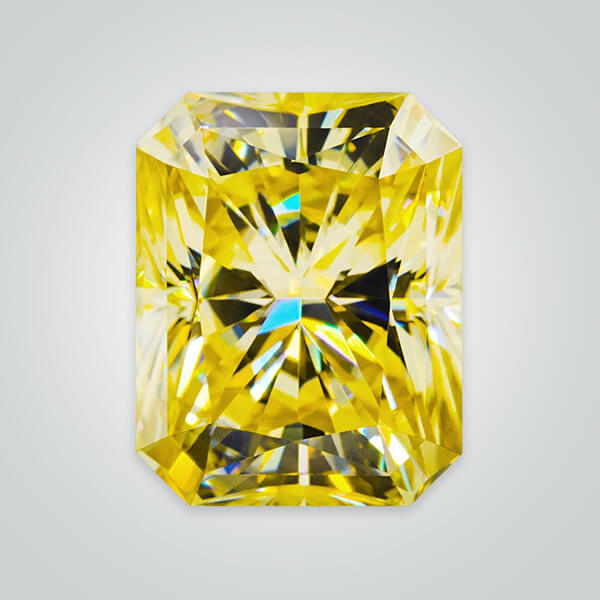
Yellow Moissanite, Octagon Radiant
GEMSTONE DETAIL Origin: Grown in Lab Dimensions: 7x5mm to 12x10mm Grade: AAA Clarity: Eye Clean Shape: Octagon Radiant Make: Very Good Symmetry: Very
Yellow Moissanite, Octagon Radiant
GEMSTONE DETAIL Origin: Grown in Lab Dimensions: 7x5mm to 12x10mm Grade: AAA Clarity: Eye Clean Shape: Octagon Radiant Make: Very Good Symmetry: Very
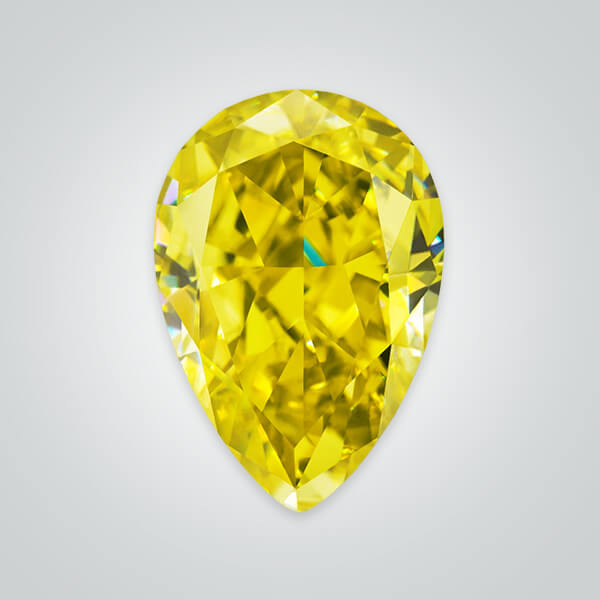
Yellow Moissanite, Pear
GEMSTONE DETAIL Origin: Grown in Lab Dimensions: 7x5mm to 12x8mm Grade: AAA Clarity: Eye Clean Shape: Pear Make: Very Good Symmetry: Very Good
Yellow Moissanite, Pear
GEMSTONE DETAIL Origin: Grown in Lab Dimensions: 7x5mm to 12x8mm Grade: AAA Clarity: Eye Clean Shape: Pear Make: Very Good Symmetry: Very Good
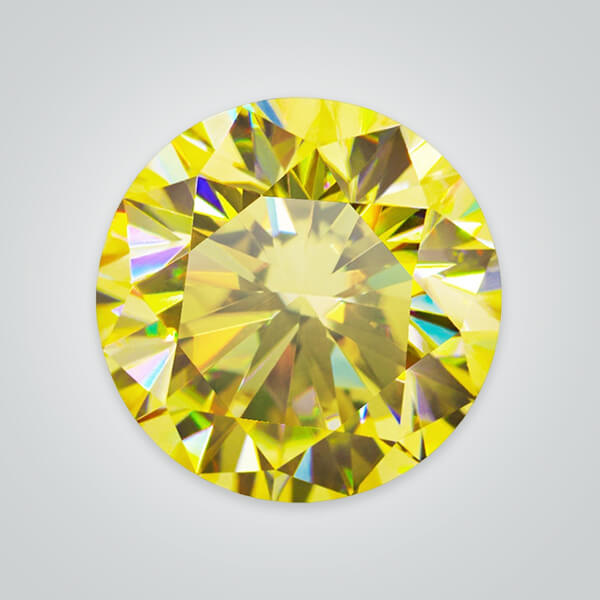
Yellow Moissanite, Round
GEMSTONE DETAIL Origin: Grown in Lab Dimensions: 5.00mm to 10.00mm Grade: AAA Clarity: Eye Clean Shape: Round Make: Very Good Symmetry: Very Good
Yellow Moissanite, Round
GEMSTONE DETAIL Origin: Grown in Lab Dimensions: 5.00mm to 10.00mm Grade: AAA Clarity: Eye Clean Shape: Round Make: Very Good Symmetry: Very Good
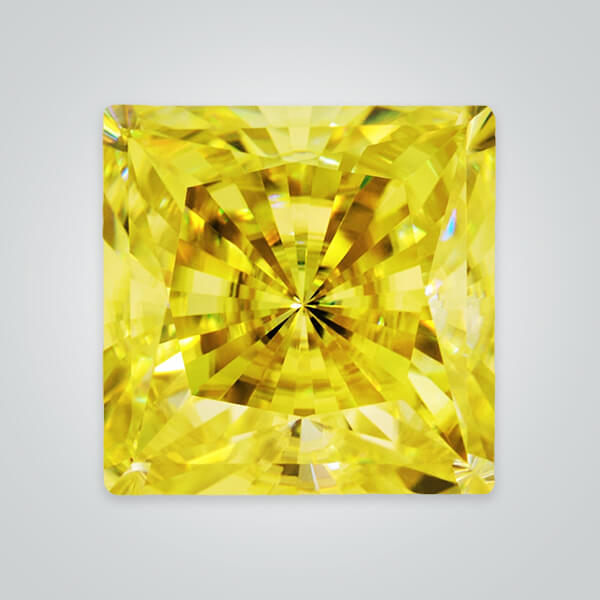
Yellow Moissanite, Square Princess
GEMSTONE DETAIL Origin: Grown in Lab Dimensions: 5x5mm to 10x10mm Grade: AAA Clarity: Eye Clean Shape: Square Princess Make: Very Good Symmetry: Very
Yellow Moissanite, Square Princess
GEMSTONE DETAIL Origin: Grown in Lab Dimensions: 5x5mm to 10x10mm Grade: AAA Clarity: Eye Clean Shape: Square Princess Make: Very Good Symmetry: Very
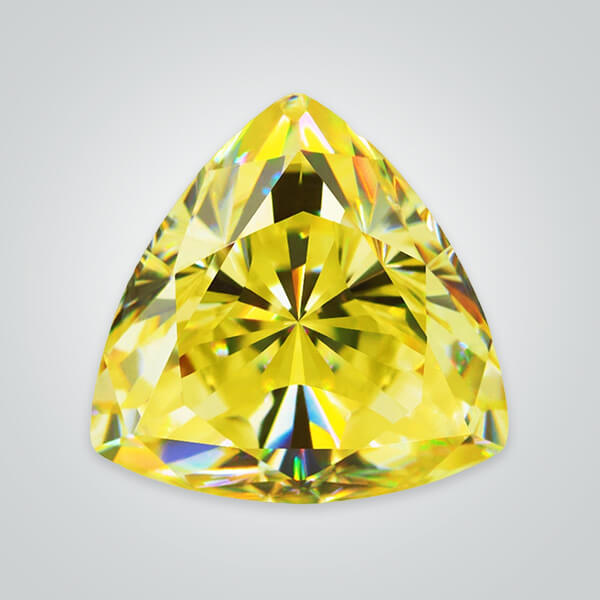
Yellow Moissanite, Trillion
GEMSTONE DETAIL Origin: Grown in Lab Dimensions: 5x5mm to 10x10mm Grade: AAA Clarity: Eye Clean Shape: Trillion Make: Very Good Symmetry: Very Good
Yellow Moissanite, Trillion
GEMSTONE DETAIL Origin: Grown in Lab Dimensions: 5x5mm to 10x10mm Grade: AAA Clarity: Eye Clean Shape: Trillion Make: Very Good Symmetry: Very Good
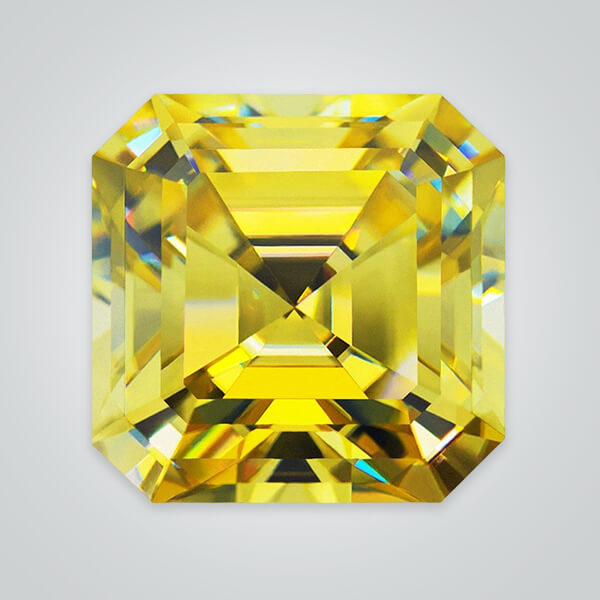
Yellow Moissanite,Asscher
GEMSTONE DETAIL Origin: Grown in Lab Dimensions: 5x5mm to 10x10mm Grade: AAA Clarity: Eye Clean Shape: Asscher Make: Very Good Symmetry: Very Good
Yellow Moissanite,Asscher
GEMSTONE DETAIL Origin: Grown in Lab Dimensions: 5x5mm to 10x10mm Grade: AAA Clarity: Eye Clean Shape: Asscher Make: Very Good Symmetry: Very Good
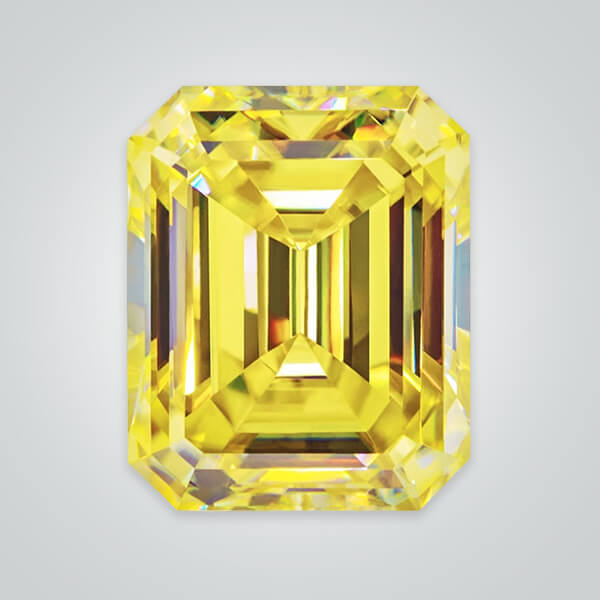
Yellow Moissanite,Emerald
GEMSTONE DETAIL Origin: Grown in Lab Dimensions: 7x5mm to 12x10mm Grade: AAA Clarity: Eye Clean Shape: Emerald Make: Very Good Symmetry: Very Good
Yellow Moissanite,Emerald
GEMSTONE DETAIL Origin: Grown in Lab Dimensions: 7x5mm to 12x10mm Grade: AAA Clarity: Eye Clean Shape: Emerald Make: Very Good Symmetry: Very Good
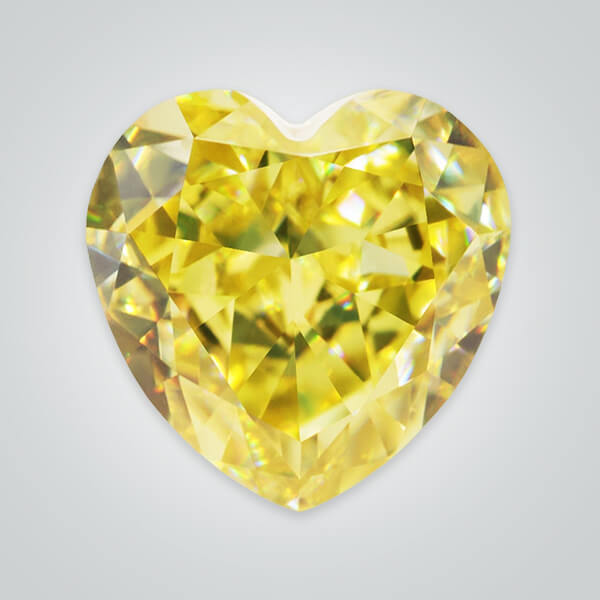
Yellow Moissanite,Heart
GEMSTONE DETAIL Origin: Grown in Lab Dimensions: 5x5mm to 10x10mm Grade: AAA Clarity: Eye Clean Shape: Heart Make: Very Good Symmetry: Very Good
Yellow Moissanite,Heart
GEMSTONE DETAIL Origin: Grown in Lab Dimensions: 5x5mm to 10x10mm Grade: AAA Clarity: Eye Clean Shape: Heart Make: Very Good Symmetry: Very Good
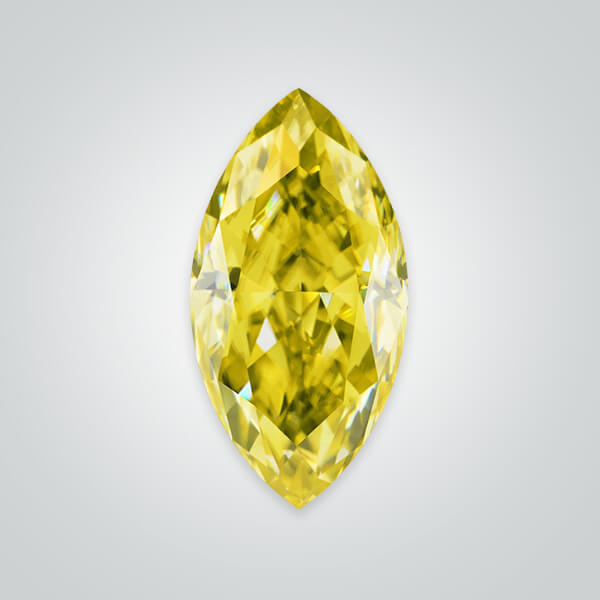
Yellow Moissanite,Marquise
GEMSTONE DETAIL Origin: Grown in Lab Dimensions: 8x4mm to 16x8mm Grade: AAA Clarity: Eye Clean Shape: Marquise Make: Very Good Symmetry: Very Good
Yellow Moissanite,Marquise
GEMSTONE DETAIL Origin: Grown in Lab Dimensions: 8x4mm to 16x8mm Grade: AAA Clarity: Eye Clean Shape: Marquise Make: Very Good Symmetry: Very Good
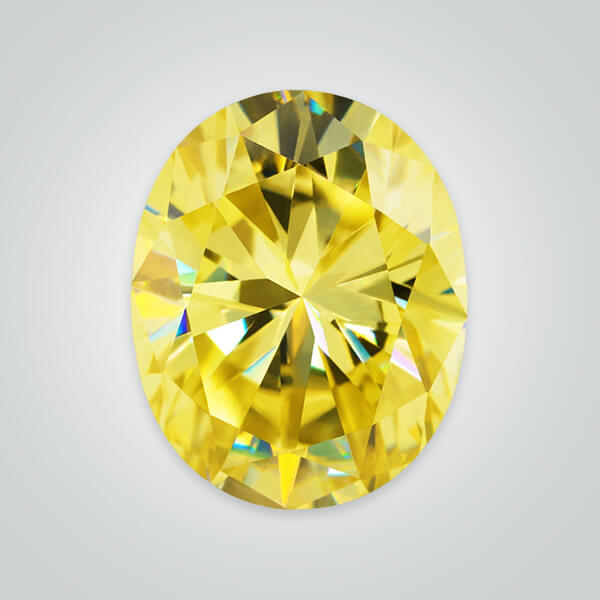
Yellow Moissanite,Oval
GEMSTONE DETAIL Origin: Grown in Lab Dimensions: 7x5mm to 12x10mm Grade: AAA Clarity: Eye Clean Shape: Oval Make: Very Good Symmetry: Very Good
Yellow Moissanite,Oval
GEMSTONE DETAIL Origin: Grown in Lab Dimensions: 7x5mm to 12x10mm Grade: AAA Clarity: Eye Clean Shape: Oval Make: Very Good Symmetry: Very Good
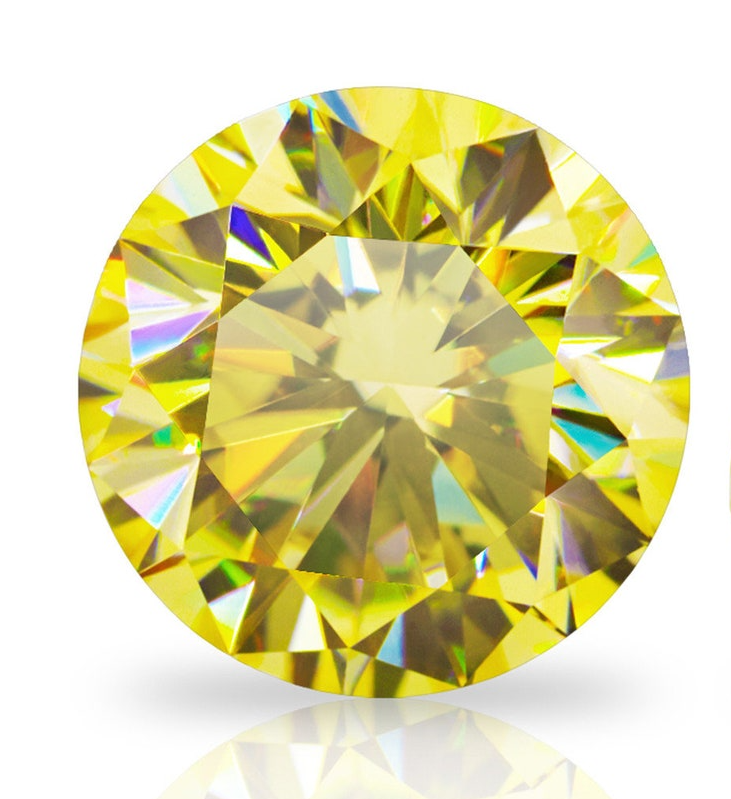
Yellow Moissanite
Yellow Moissanite
Yellow moissanite is a lab-made crystal and a preferred gemstone to natural silicon carbide. The gemstone typically has a golden-yellow appearance and multiple polymorphs similar to that of real diamonds.
Yellow moissanite usually has a hexagonal structure, conchoidal fracture, and can also form crystals in various poly-types. Moissanite crystals have a high melting point, low electrical conductivity, and high heat resistance. These lab-made crystals are almost as strong as 100% carbon diamonds, making them perfect for jewelries, laser work, substrate, and much more.
Natural yellow moissanite is extremely rare, but lab-made crystals are easy to form and possess similar properties of mined crystals.
Vital information about yellow moissanite in this article will help you make an excellent choice for your luxury jewelries. You’ll get essential details about the gemstone’s history, how it is made, its chemical properties, and other important facts below.
History of Yellow Moissanite
Yellow moissanite was not the first silicon carbide crystal discovered by scientists. Edward Acheson was the first chemist to create synthetic silicon carbide crystals in 1891. It will take another two years before a prominent scientist discovered natural silicon carbide in Arizona.
Henri Moissan found naturally-occurring silicon carbide crystals at a meteorite’s landing site and mistook these gemstones for diamonds. It took almost a decade of research to discover the gems were natural moissanite crystals and not full-carbon diamonds.
Acheson synthesis and Moissan’s discovery proved useful to help scientists mass-produce synthetic moissanite crystals. Many breakthroughs in the synthesis of moissanite made it possible to create gemstones of different colors.
Currently, over six (6) different colored moissanite crystals exist and are useful on different forms of jewelry.
How to Make Yellow Moissanite
Doping is the preferred method chemists uses to create yellow moissanite gemstones. The mass production technique involves these steps:
- Adding silicon, carbon, and a yellow dopant in a crucible,
- Heating the mix of minerals between 1600°C and 2000°C,
- Allow rearrangement of mineral atoms to form crystals,
- Cooling, cutting, and shaping of the yellow crystals for various purposes
Cerium (Ce), Copper (Cu), Iron (Fe), Nickel (Ni), and Thulium (Tm) are choice dopant elements to create yellow moissanite crystals.
Uses of Yellow Moissanite
Yellow moissanite is useful as jewelry and is a preferred option due to its relative harness, heat resistance, solid internal structure, and optical properties.
Colored moissanite crystals are also ideal for luxury glasswork but not preferred as an abrasive material to cut less-dense gemstones.
Chemical Properties of Yellow Moissanite
- Hardness (Mohs’ Scale): 9.3
- Density: 3.21 g/cm3
- Refractive Index: 2.654 – 2.967
- Dispersion: Low (0.104)
- Heat Resistance: 1550ºC – 3000ºC (decomposes at 2730ºC)
- Fracture: Conchoidal
- Specific Gravity: 3.218 – 3.22 g/cm3
Maintenance Tips for Yellow Moissanite
Yellow moissanite has a high refractive index, meaning it glitters a lot. However, the crystal’s surface is prone to damage after prolonged exposure to scratches, dust, and other elements.
Proper storage is very important if you want to maintain the shine and brilliance of your yellow moissanite gemstones. Ensure you have a safe box to keep all your plain and colored moissanite jewelry. The box must protect your crystals from humidity, dust, and grime.
You can also maintain your yellow moissanite crystals with a commercial jewelry cleaner, liquid and soap solution, or steam cleaners.
Yellow Moissanite is an imitation of Yellow Diamonds. It looks just like Yellow diamonds but is available at a fraction of a cost. So order your Yellow moissanites now at Gems N Gems!