




An Introduction To YAG Gemstone
A synthetic crystalline material from the garnet family, YAG, is an acronym for Yttrium Aluminium Garnet. In spite of its name that includes ‘Garnet’, YAG is nowhere related to it and is an artificial gem with no natural counterparts.
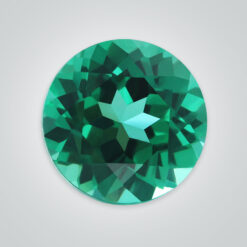
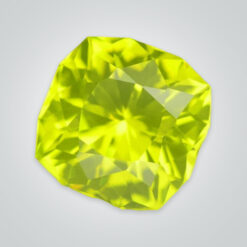
This man-made stone that was first developed in the 1950s is mostly colourless, but its colour can range from pink, orange, yellow, red, purple, green, to blue.
What is YAG used for?
YAG was first applied in laser and optics technology. YAG was also used as a stimulant for gemstones in jewellery, where the most popular one was a diamond.
Physical properties of YAG
- Hardness: As per the Mohs scale, the hardness of YAG gemstones is 8-8.5
- Specific gravity: 4.500-4.600; typical: 4.500
- Inclusion: A YAG gemstone is generally free of inclusions, but a few of them can have tiny gas bubbles. A pulled material can display curved striae. When the green YAG gemstone is viewed in the light, it may show red flashes. When the stone is made with the help of the flux method, it can show white flux, tiny grains and even feathers.
- Polish lustre: It can range from vitreous to sub-adamantine
- Toughness: the YAG gemstones rank ‘good’ when it comes to toughness
YAG versus Diamonds
When the YAG gemstone was first developed, it was colourless and somewhat hard and as per the Mohs scale, it ranked 8. The first thing the jewellers observed was that the gemstone was hefty. It is also denser than diamonds by 30%. The dispersion of a diamond ranges from .028 to 0.44.
This actually means YAG doesn’t have the level of fire that is such a distinctive feature of a diamond. No doubt YAG is attractive as a gemstone, but it is nothing when compared to the gemstones’ king, diamond.
At Gems N Gems
YAG is available in both rough stones and loose gemstones. . If you want to purchase the perfect YAG gemstones today, choose us! In the YAG category, we have several pretty colours that include YAG Orange, YAG, YAG White, YAG Blue, YAG Yellow, YAG Emerald Rough, YAG Green, to YAG Lavender.